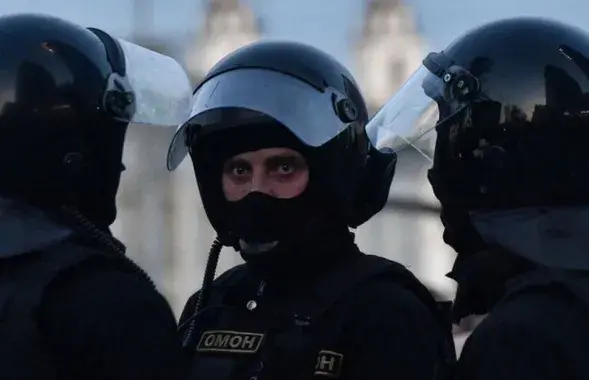
Suffered for supporting Ukraine. The story of Andrei, arrested in the "Hajun Case"

Gomel Remand Prison No. 3 / Выданне "Наша Ніва"
Last year was marked by the closure and major trial of "Belarusian Hajun" — a monitoring project that for three years closely tracked the movement of Russian weapons across Belarusian territory. The victims of the persecution were not only Belarusians who sent valuable information to "Hajun," but also Ukrainians who were living in Belarus at the time.
Among them was Andrei Yegorov from Yelsk, whose home was visited by security forces three years after his last communication with the project. Euroradio retells the man's story. For security purposes, personal details and certain aspects of the story have been intentionally altered.
This is a continuation of the series of articles "In Belarusian Captivity", dedicated to Ukrainian citizens who endured persecution by the Lukashenko regime and were released in November 2025.
Keep Your Head Down and Stay Silent
Andrei was born in Chernihiv. He spent his youth in Ukraine, where he also met his future wife — a resident of Yelsk. She had been studying in Chernihiv at a branch of a Moscow university. The couple met around 2012–2013, began dating, and then got married. The wedding took place in Belarus, in Yelsk. Their first child was also born there, the first of what would become a large family.
After the child was born, Andrei stayed in Ukraine for a while longer, but the decision was clear — he needed to live with his family in Belarus. That is how he ended up in Yelsk, where he spent the following years.
The Ukrainian worked primarily in trade: from an ordinary sales representative to a supervisor. Most often at state-owned companies (the "Minsk Sparkling Wine Plant"), later at a local meat processor, and toward the end he sold cigarettes at a kiosk. The work involved a lot of travel, and he spent much of his time behind the wheel.
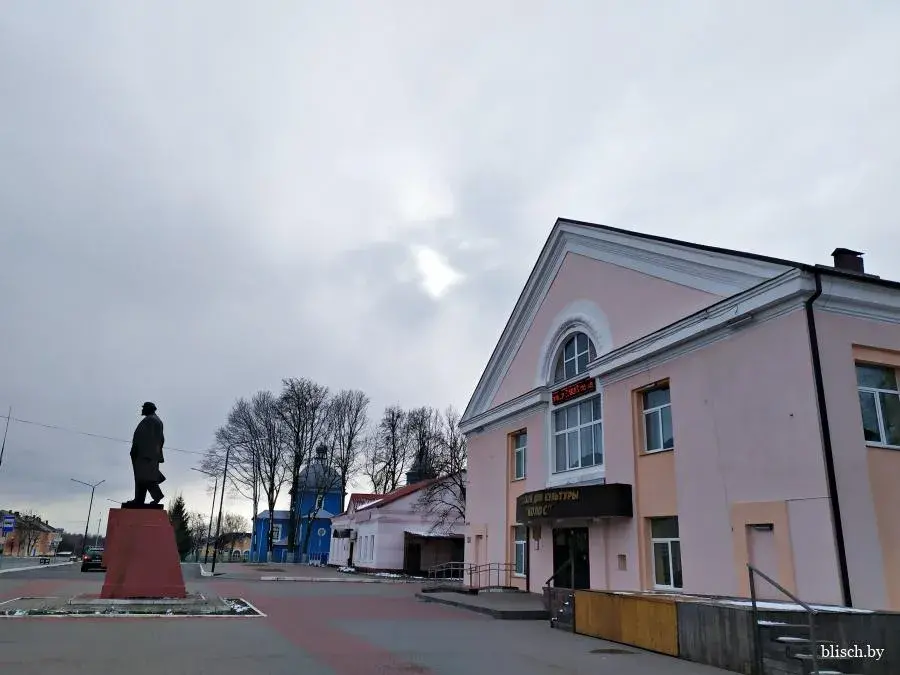
Andrei describes life in Yelsk through an old joke: "There's food on the table, life is bearable, but you're not allowed to bark." On one hand, there was a sense of safety: children could travel around town on their own without causing worry. On the other hand, there was a complete absence of freedom of expression. "People get locked up for likes, for comments, for subscribing to a channel. For a normal person, it's absurd." Andrei recalls cellmates who received days of detention simply for being subscribed to the "wrong" resources.
Yelsk struck Andrei as a clean and cozy town, although in recent years it had become noticeably short of people: courtyards were overgrown with grass, despite the demonstrative orders from above.
"If you want to work — work, live quietly. But keep your head down and stay silent."
The Situation Unfolded According to an Administrative-Repressive Logic
Andrei's family lived through the events of 2020 with maximum caution. On the most tense days, they tried not to leave the house and kept the children home from school. Andrei listened to online broadcasts reporting that people in the city were being detained right outside their apartment buildings.
On one occasion, Andrei witnessed with his own eyes how security forces jumped out of an ambulance and lunged at people. "It was very unpleasant." His wife immediately warned him: no participation, no risk-taking.
The situation worsened in 2022, when Russia's full-scale invasion of Ukraine began. Andrei's mother remained in Chernihiv, which found itself under blockade. For a time there was no contact, and Andrei frantically searched for any information.
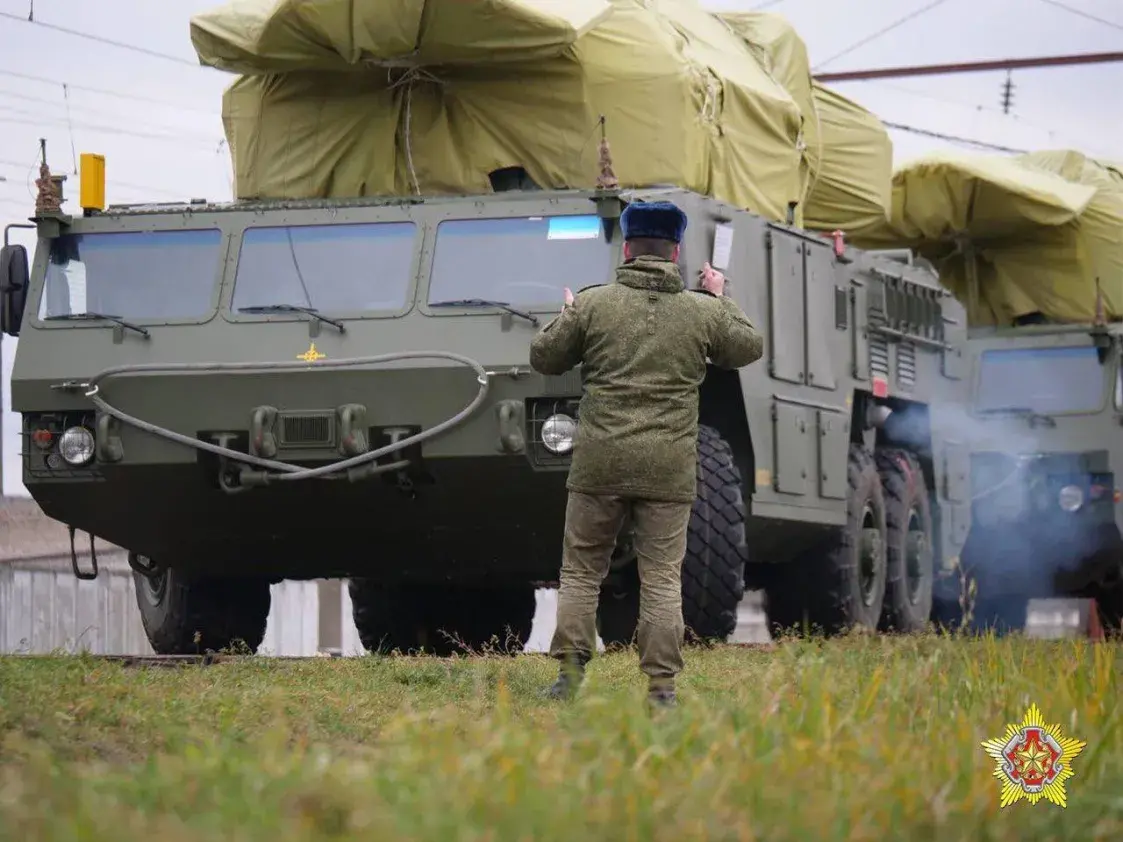
That was how he first started reading the Telegram channel of the monitoring project "Belarusian Hajun." At first he simply read it, without even subscribing. Then came the desire to help.
"You're driving, you see a column of vehicles — and you understand that this matters."
Over the course of about a week, Andrei sent around twenty messages to the "Hajun" bot: photographs, one video, and descriptions of Russian military equipment movements.
Sometimes the equipment was visibly damaged, being transported back from Ukraine for repairs. "You could clearly see tanks with battered turrets, straight from the front."
When the channel was declared "extremist," Andrei immediately deleted everything, convinced that the story was over.
"I thought at the time: deleted it — and that's that." He did not know that the materials remained on servers. More than three years passed.
Then, on the morning of September 3, 2025, Andrei received a phone call informing him that his car had allegedly been involved in a fatal accident. Andrei assumed it was a scam and ended the call. Half an hour later, the phone rang again — the caller on the other end recited the man's full personal details and his car's license plate number. He was asked to come outside to his vehicle.
Andrei stepped out of the building entrance — and was immediately seized from all sides by people in civilian clothes. "They shoved a red ID in my face, twisted my arms, pushed my head down." He only managed to catch a glimpse of several white minivans. His phone was taken away immediately.
Andrei was taken to the city's Investigative Committee. There, old photographs were shown to him: some of them clearly showed the dashboard of his car. There was no doubt left that it was because of the photos sent to "Hajun."